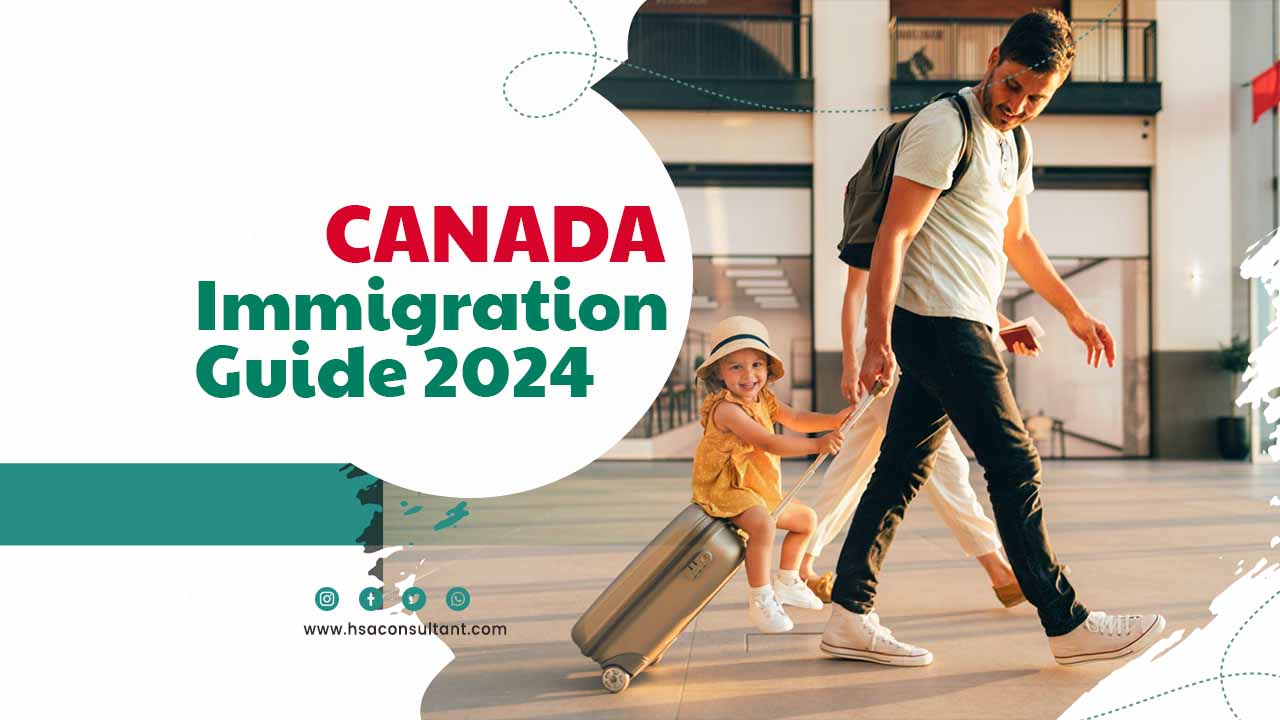
Guide for Canada Immigration
Canada, renowned for its stunning landscapes, diverse cities, and welcoming communities, has become an increasingly popular destination for individuals seeking new opportunities and a high quality of life. Navigating the Canadian immigration process is a pivotal step for those aspiring to call the Great White North home. In this comprehensive guide, we will explore the various pathways to Canadian immigration, from skilled workers and students to family reunification and refugees, providing valuable insights into the intricacies of the process (Guide for Canada Immigration).
Understanding the Canadian Immigration System:
Canada’s immigration system is multifaceted, accommodating individuals with diverse backgrounds, skills, and aspirations. Familiarizing yourself with the primary immigration categories is crucial for choosing the most suitable pathway.
- Express Entry System: Designed for skilled workers, the Express Entry system uses a points-based Comprehensive Ranking System (CRS) to assess eligibility for permanent residency. Navigating the Express Entry process involves creating a profile, receiving an Invitation to Apply (ITA), and submitting a complete application.
- Provincial Nominee Programs (PNPs): Each Canadian province and territory has its own PNP, allowing them to nominate individuals for permanent residency based on their specific labor market needs. Understanding the criteria and requirements of the chosen PNP is essential for a successful application.
- Family Sponsorship: Family reunification is a cornerstone of Canadian immigration. Canadian citizens and permanent residents can sponsor their family members, including spouses, children, parents, and grandparents, to join them in Canada.
Skilled Workers and Economic Immigration:
For individuals with professional skills and qualifications, the Canadian immigration system offers several pathways to permanent residency.
- Federal Skilled Worker Program (FSWP): The FSWP is a part of the Express Entry system, targeting skilled workers with experience in high-demand occupations. Navigating this program involves meeting eligibility criteria, demonstrating language proficiency, and obtaining an Educational Credential Assessment (ECA).
- Canadian Experience Class (CEC): Designed for individuals with Canadian work experience, the CEC is another Express Entry pathway. Understanding the requirements, including the minimum period of qualifying work experience, is crucial for successful application.
- Quebec Skilled Worker Program (QSWP): As Quebec has its own immigration system, the QSWP allows skilled workers to apply for permanent residency in the province. Navigating the QSWP involves meeting Quebec’s specific eligibility criteria and obtaining a Certificat de sélection du Québec (CSQ).
International Students and Study Permits:
Canada’s world-class education system attracts students from across the globe. Understanding the process for obtaining a study permit and the potential pathways to permanent residency is essential for international students.
- Study Permit Application: Securing a study permit involves applying to a designated learning institution, demonstrating financial capacity, and meeting other eligibility criteria. Understanding the terms and conditions of the study permit is crucial for a successful application.
- Post-Graduation Work Permit (PGWP): After completing their studies, international students may be eligible for a PGWP, allowing them to gain valuable Canadian work experience. Navigating the PGWP process involves meeting eligibility criteria and applying within the stipulated time frame.
- Express Entry for International Graduates: The Canadian Experience Class stream within the Express Entry system recognizes the value of Canadian work experience gained by international graduates. Navigating this pathway involves meeting specific criteria related to work experience and language proficiency.
Family Reunification and Spousal Sponsorship:
Canada prioritizes the reunification of families, allowing citizens and permanent residents to sponsor their family members.
- Spousal Sponsorship: Canadian citizens and permanent residents can sponsor their spouses, common-law partners, or conjugal partners for permanent residency. Navigating the spousal sponsorship process involves meeting relationship requirements and providing evidence of genuine commitment.
- Parent and Grandparent Sponsorship: The Parent and Grandparent Sponsorship program allows Canadian citizens and permanent residents to sponsor their parents and grandparents. Understanding the eligibility criteria, financial requirements, and the annual quota is essential for successful sponsorship.
- Super Visa: For parents and grandparents who wish to visit their family in Canada, the Super Visa allows multiple entries for up to two years. Navigating the Super Visa process involves meeting specific financial and health insurance requirements.
Refugees and Humanitarian Immigration:
Canada is committed to providing refuge to those fleeing persecution and violence. Understanding the processes for refugee resettlement and humanitarian immigration is crucial for individuals in need of protection.
- Refugee Resettlement: The Refugee Resettlement program allows individuals outside Canada who are in need of protection to apply for resettlement. Navigating this process involves working with designated resettlement organizations and meeting specific eligibility criteria.
- Protected Person Status: Individuals already in Canada who fear persecution or risk to their life can apply for protected person status. Navigating the asylum process involves making a claim, attending hearings, and meeting eligibility criteria.
Citizenship and Naturalization:
For individuals who have successfully become permanent residents, understanding the requirements for Canadian citizenship is a significant step toward full integration.
- Canadian Citizenship Application: The process of obtaining Canadian citizenship involves meeting residence requirements, demonstrating language proficiency, and passing a citizenship test. Navigating the citizenship application process is the final step toward becoming a Canadian citizen.
Legal Assistance and Resources:
Given the complexity of Canadian immigration laws, seeking legal assistance can be instrumental in ensuring a smooth and successful application process. Utilizing reputable immigration consultants, legal experts, and official resources is vital for accurate information and guidance.
- Choosing Immigration Consultants: Selecting reliable immigration consultants or legal professionals can significantly enhance the chances of a successful application. Researching their credentials, client reviews, and success rates is essential.
- Official Resources: Relying on official government resources, including the Immigration, Refugees. And Citizenship Canada (IRCC) website, ensures access to the most up-to-date and accurate information. Government guidelines, forms, and policy documents are valuable resources for individuals navigating the immigration process.
Guide for Canada Immigration
Navigating the Canadian immigration landscape is a transformative journey that opens doors to new opportunities, experiences. And a higher quality of life. Whether seeking to build a career, pursue education, reunite with family, or find refuge. Understanding the diverse pathways and requirements is essential for a successful immigration experience. As individuals embark on their Canadian journey, a combination of careful planning, adherence to immigration laws. And awareness of legal considerations will contribute to a seamless integration into the vibrant and inclusive Canadian society.