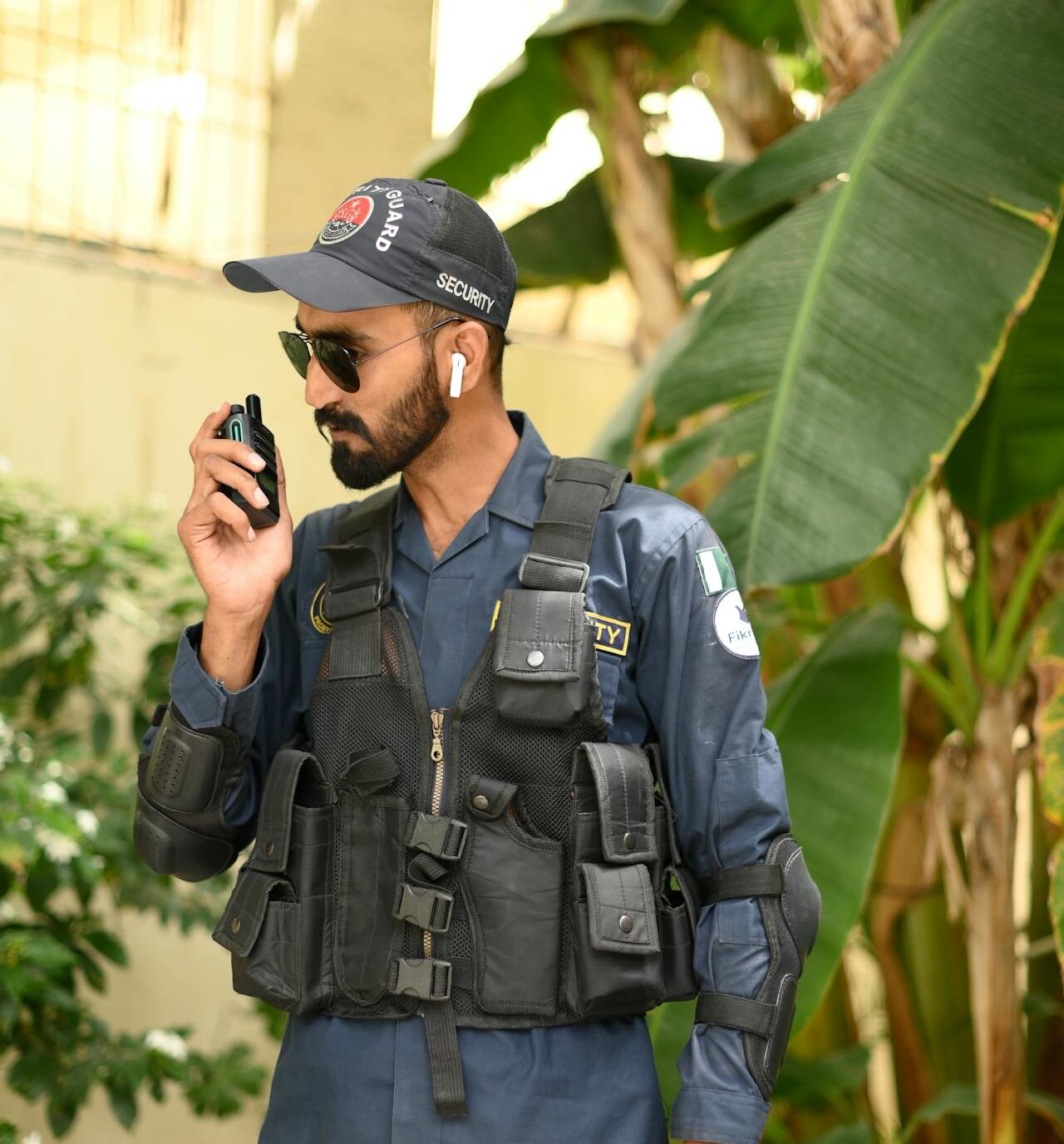
If you’ve been searching for a stable, well-paying career in Europe, security guard jobs in Italy in 2026 deserve a serious look. Italy’s economy is steadily recovering, tourism is booming once again, and private security demand is rising faster than many people realize. From luxury fashion houses in Milan to historic museums in Rome and cruise terminals in Naples, the need for trained, certified security professionals is real — and growing.
Whether you’re an Italian resident, an EU citizen looking to relocate, or a non-EU professional exploring work visa pathways, this guide breaks down everything: legal requirements, realistic salary expectations, top employers, and a step-by-step application strategy. Let’s make this your most informed career move yet.
Who Can Work as a Security Guard in Italy?
EU and Non-EU Citizens: What’s the Difference?
Italy, like all EU member states, gives preferential access to citizens from the European Union. If you hold an EU/EEA passport, you can legally work in Italy without a work visa. You’ll simply need to register your residency within three months of arrival.
For non-EU nationals, the path is more structured but absolutely achievable. You’ll need to apply through Italy’s annual Decreto Flussi (Flow Decree), which sets quotas for non-seasonal and seasonal workers. Security work typically falls under the non-seasonal category. Securing a job offer from a licensed Italian security company before applying dramatically improves your chances.
Core Legal Requirements for Security Guards in Italy
To legally work as a security guard (guardia giurata) in Italy, you must meet the following requirements:
- Age: Minimum 18 years old
- Criminal record: Clean background check (certificato penale)
- Health: Physical and psychological fitness certification
- License: Licenza di guardia giurata — issued by the local prefecture (prefettura)
- Training course: Completion of a state-approved security training program (typically 70–120 hours)
- Italian language: Basic conversational Italian is usually required, especially for client-facing roles
The prefectural license is the single most important document. Without it, no legitimate employer can legally hire you for armed or unarmed guard duties.
Security Guard Training in Italy: What to Expect
State-Approved Training Programs
Italy mandates formal training before you can obtain your guarding license. These programs are offered through certified security schools and professional associations across the country. The curriculum typically covers:
- Italian security legislation and penal code basics
- Emergency response and first aid (BLS certification often included)
- Physical security techniques (access control, perimeter patrol)
- Customer service and conflict de-escalation
- Fire safety and evacuation procedures
Courses range from €300 to €800, depending on the provider and region. Some employers cover these costs in exchange for a minimum employment commitment — worth negotiating during your hiring process.
Security Guard Salary in Italy 2026: Realistic Expectations
This is probably the question you’re most curious about, so let’s be direct.
Average Salary Ranges
| Role | Monthly Gross Salary |
|---|---|
| Unarmed Security Guard | €1,200 – €1,600 |
| Armed Security Guard (guardia armata) | €1,600 – €2,200 |
| Event Security / Steward | €900 – €1,300 (often part-time) |
| Security Supervisor | €2,000 – €2,800 |
| Corporate Security Officer | €2,500 – €3,500+ |
Note: Salaries are governed by the Contratto Collettivo Nazionale del Lavoro (CCNL) for the security sector, which sets minimum floors. Many employers in northern Italy (Milan, Turin) pay above national minimums.
Additional benefits often include shift allowances, night-work bonuses (up to 15–30% extra), meal vouchers, and health insurance contributions.
A Real-World Scenario
Consider Ahmed, a 32-year-old security professional from Tunisia who relocated to Milan through the Decreto Flussi program in 2024. He’d worked as a private security officer in Tunis for six years. After completing his Italian prefectural licensing process and a 90-hour training course (sponsored by his employer), he started as an unarmed guard at a logistics facility near Sesto San Giovanni. Within 14 months, he passed his armed guard certification and negotiated a salary of €1,950/month plus meal vouchers. “The paperwork was the hardest part,” he says. “But once you understand the system, it’s very manageable.”
Top Employers Hiring Security Guards in Italy 2026
The Italian private security market is dominated by several large multinationals and strong domestic players:
- Securitas Italia – One of the largest employers, operating across all major cities
- Group4Securicor (G4S Italia) – Strong presence in airports and banking
- Coopservice – Italian cooperative with significant public sector contracts
- Vigilanza Privata Srl – Regional operators across southern Italy
- ISS Facility Services – Growing corporate and healthcare security contracts
- Fidelitas – Milan and Lombardy region specialists
Many of these companies post openings on their official websites, and also list positions on Italian job platforms like InfoJobs.it, Indeed.it, LinkedIn Italy, and Subito.it.
How to Apply for Security Guard Jobs in Italy: Step-by-Step
Step 1: Verify Your Eligibility
Confirm your citizenship status and whether you need a work visa. If you’re non-EU, check the current year’s Decreto Flussi announcement (usually published in late autumn for the following year’s quotas).
Step 2: Get Your Documents in Order
Prepare the following:
- Valid passport or national ID
- Criminal background check (apostilled if from abroad)
- Certified translations of any foreign qualifications
- Medical fitness certificate from a licensed Italian physician
Step 3: Enroll in a Prefectural Training Course
Contact your local prefettura or a certified training provider. Completing your training is mandatory before your license application can be processed.
Step 4: Apply for Your Guardia Giurata License
Submit your application to the prefecture of the province where you’ll be working. Processing can take 30–90 days, so plan ahead.
Step 5: Build Your Italian CV and Apply
An Italian curriculum vitae follows a slightly different format than Anglo-American resumes. Include a professional photo, your CCNL-relevant experience, any language certifications, and a brief personal statement. Apply directly through employer websites and job boards.
Step 6: Prepare for Interviews
Most Italian security employers conduct both a written test (on security law and procedures) and a practical assessment. Brush up on Italian legal terminology and practice describing past security scenarios clearly.
Frequently Asked Questions (FAQs)
Q: Can a foreigner get a security guard job in Italy without speaking Italian? A: Basic Italian is usually required by law and by employers, particularly for client-facing roles. However, some multinational companies and international facilities may accept candidates with limited Italian and strong English. Enrolling in a language course before applying is strongly recommended.
Q: How long does it take to get a guardia giurata license in Italy? A: The full process — training, medical checks, background verification, and prefectural approval — typically takes between 60 and 120 days. Starting the process early before your target employment date is essential.
Q: Is the security industry in Italy growing in 2026? A: Yes. Italy’s increased tourism, expanded infrastructure projects, and growing e-commerce logistics sector are all driving demand for private security professionals across multiple regions.
Q: What is the difference between unarmed and armed security in Italy? A: Unarmed guards (guardie non armate) handle access control, surveillance, and patrol duties. Armed guards (guardie armate) require additional weapons qualification and certification, carry higher legal responsibilities, and earn significantly more.
Q: Are there part-time security guard jobs available in Italy? A: Yes, especially in event security, stadium stewarding, and retail security. These roles are common in larger cities and during Italy’s major cultural and sporting events calendar.
Conclusion: Your Path to a Security Career in Italy Starts Now
We won’t sugarcoat it — navigating Italian bureaucracy, licensing requirements, and work permit systems can feel overwhelming at first. But here’s what we want you to take away from this guide: thousands of people successfully make this journey every year, and the infrastructure to support you genuinely exists.
Italy offers something rare in the European job market — a security sector that respects its workers through strong collective agreements, offers genuine career progression from guard to supervisor to corporate security management, and sits at the heart of one of the world’s most culturally rich environments.
If you’re sitting somewhere right now wondering whether this is the right move — whether the paperwork is worth it, whether your experience will translate, whether Italy will feel like home — know that you’re asking exactly the questions every successful applicant asked before you. The difference between those who made it and those who didn’t often comes down to one thing: they started.
Take the first step this week. Research your nearest prefettura. Look up Securitas Italia or Coopservice’s open positions. Download an Italian CV template. Small actions, taken consistently, lead to real outcomes.
Your security career in Italy in 2026 is closer than you think.