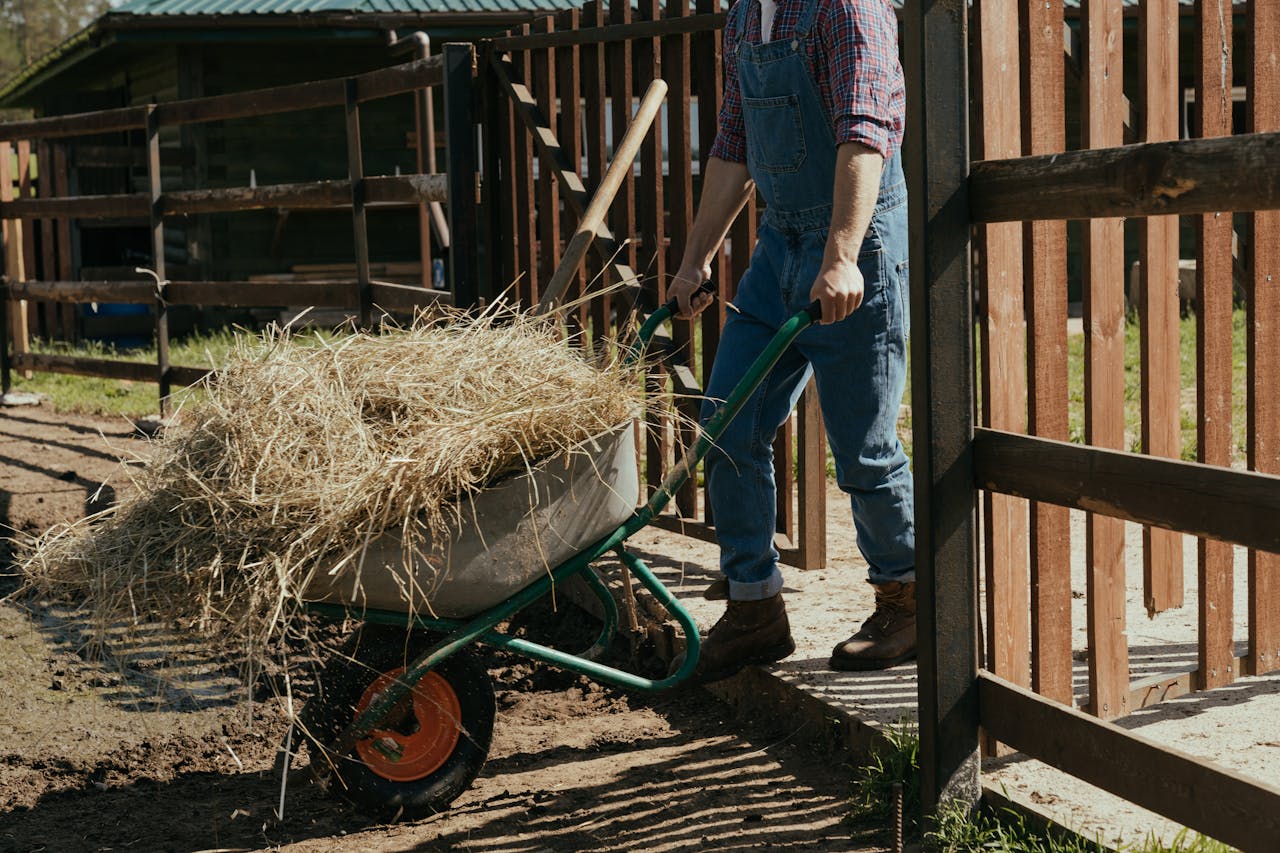
What if you could spend a season working outdoors in one of the most beautiful countries on earth, earn a solid Canadian wage, and have your housing covered — all while building toward a permanent immigration pathway? That’s not a fantasy. That’s what farm jobs in Canada in 2026 genuinely offer to thousands of international workers every single year.
Canada’s agricultural sector is one of the country’s most important economic pillars, and it faces a consistent, well-documented labour shortage. The farms of British Columbia, Ontario, Alberta, and Quebec need workers — fruit pickers, greenhouse labourers, livestock handlers, and general farm hands — and they need them reliably, season after season. In response, Canada has built some of the most structured, worker-friendly agricultural employment programs in the world, many of which include free or subsidized accommodation as a standard feature.
If you’ve been searching for a legitimate, visa-supported entry point into Canadian life — one that doesn’t require a university degree or years of specialized experience — this guide is exactly what you need. Let’s walk through it together.
Why Farm Jobs in Canada Are Worth Pursuing in 2026
The Labour Shortage Is Your Opportunity
Canada’s agricultural workforce gap has grown steadily for years. An aging rural population, declining domestic interest in seasonal labour, and the sheer geographic scale of Canadian farming operations have created a persistent demand that domestic workers alone cannot fill. Federal and provincial governments have responded by continuously expanding international worker quotas specifically for agricultural roles.
In 2026, this means:
- More LMIA-approved farm job postings than ever before
- Faster processing times for agricultural work permits under dedicated streams
- Expanding accommodation requirements — most employers are now legally obligated to provide housing
- A clear PR pathway through the Agri-Food Immigration Pilot for eligible workers
- Increasingly competitive wages as farms compete for international talent
Canada’s Agricultural Regions Are Stunning
This matters more than people expect. Where you work affects everything — your wellbeing, your savings rate, and your overall experience. Canada’s farm regions include some of North America’s most spectacular landscapes: the Okanagan Valley in BC, the Niagara Peninsula in Ontario, the rolling prairies of Saskatchewan, and the fertile river valleys of Quebec. Many workers who come for one season find themselves planning to return — or to stay permanently.
Types of Farm Jobs Available in Canada 2026
Fruit and Vegetable Harvesting
This is the most widely available category of seasonal farm work in Canada. Positions open from late spring through autumn, with peak hiring from June to October.
Common crops and roles:
- Apple, cherry, peach, and grape picking (BC, Ontario, Quebec)
- Strawberry, blueberry, and raspberry harvesting (BC, Nova Scotia)
- Vegetable harvesting — tomatoes, corn, pumpkins, onions (Ontario, Quebec, Alberta)
- Sorting, grading, and packing produce at on-farm facilities
What employers look for: Physical stamina, willingness to work outdoors in variable weather, reliability, and the ability to work at pace. No prior experience required for most harvesting roles — training is provided on arrival.
Greenhouse and Nursery Work
Greenhouse agriculture is one of Canada’s fastest-growing farm sectors and offers year-round employment at many facilities, particularly in Ontario and BC.
Typical roles:
- Planting, transplanting, and tending crops (tomatoes, peppers, cucumbers, flowers)
- Pest monitoring and basic crop care
- Packaging and loading for distribution
- Equipment cleaning and facility maintenance
Greenhouse work tends to be less physically extreme than outdoor harvesting and is often preferred by workers who want consistent, weather-independent shifts.
Livestock and Dairy Farm Work
Alberta, Saskatchewan, and Manitoba are home to Canada’s largest cattle and dairy operations. These roles tend to be year-round rather than seasonal and carry some of the highest wages in the agricultural sector.
Common roles:
- General farm labourer (feeding, cleaning, herding)
- Dairy milking operator
- Livestock handler and cattle worker
- Poultry farm attendant
Note: Livestock roles often require a greater physical commitment and early morning shifts. They also tend to offer some of the most stable long-term employment and the clearest pathways to permanent residency.
Mushroom and Specialty Crop Farming
Often overlooked, specialty crop operations — mushroom farms, herb producers, cannabis agricultural operations — have grown significantly and offer consistent indoor work with regulated environments. BC and Ontario lead in this category.
Free Accommodation on Canadian Farms: What to Expect
One of the most significant advantages of Canadian farm work for international workers is the accommodation provision. Under Canada’s Seasonal Agricultural Worker Program (SAWP) and many TFWP agricultural streams, employers are legally required to provide housing at no cost or at a regulated, modest deduction from wages.
What Employer-Provided Housing Typically Includes
- Shared dormitory or cabin-style housing on or near the farm property
- Basic furnishings, bedding, and kitchen access
- Hot water, heating, and electricity
- Sometimes: Wi-Fi, laundry facilities, and transport to nearby towns
What It’s Really Like
We won’t pretend every accommodation is a resort. Shared housing with 4–8 other workers in a farm cabin is the reality for many. It’s functional, it’s safe, and it dramatically changes your savings equation — if you’re not paying rent, you’re banking a far higher percentage of every paycheque.
Many experienced seasonal farm workers specifically budget with free housing in mind, targeting $800–$1,200/month in savings above living expenses during a 4–6 month season.
Farm Worker Salaries in Canada 2026
| Role | Hourly Wage (CAD) | Monthly Estimate |
|---|---|---|
| General Farm Labourer | $16.50 – $19/hr | $2,640 – $3,040 |
| Fruit / Vegetable Picker | $16.50 – $20/hr | $2,640 – $3,200 |
| Greenhouse Worker | $17 – $21/hr | $2,720 – $3,360 |
| Livestock Handler | $18 – $23/hr | $2,880 – $3,680 |
| Farm Equipment Operator | $20 – $27/hr | $3,200 – $4,320 |
| Farm Supervisor | $24 – $32/hr | $3,840 – $5,120 |
With free accommodation factored in, a greenhouse worker earning $18/hr full-time can realistically save $1,500–$2,000/month net after food and personal expenses — more than many professional roles in some countries pay in total.
Meet Rosa: From Mexico to the Okanagan — and Back Again, by Choice
Rosa, a 31-year-old from Oaxaca, Mexico, first came to Canada’s Okanagan Valley through the Seasonal Agricultural Worker Program (SAWP) in 2022. She’d worked on family-owned land back home but had never experienced industrial-scale fruit farming. Her employer — a mid-sized apple and cherry orchard near Kelowna — provided a shared cabin, three-minute walk from the orchards, at no cost.
“The work was hard but the schedule was honest,” she says. “You knew what you’d earn, you knew where you’d sleep, and the farm family treated us well.” In her first full season (May to October), Rosa worked 45–50 hours per week during peak harvest, earning approximately CAD $19,000 total — and spent less than $2,500 on personal expenses thanks to free housing and employer-provided transport to the nearest grocery store.
She returned the following two seasons, was promoted to crew lead in her third, and is currently applying for permanent residency through the Agri-Food Immigration Pilot with her employer’s full support. “I came for one summer,” she laughs. “Now Canada is home.”
Visa and Immigration Programs for Farm Workers in Canada 2026
Seasonal Agricultural Worker Program (SAWP)
The SAWP is Canada’s longest-running and most structured agricultural worker program. It operates bilateral agreements with Mexico and 11 Caribbean nations (including Jamaica, Trinidad and Tobago, and Barbados). Workers from eligible countries can apply through their home government’s designated SAWP office.
Key features:
- Work permits valid for up to 8 months
- Employer provides return airfare, housing, and transportation to the worksite
- Health insurance coverage included
- Strong worker protections under Canadian employment law
Temporary Foreign Worker Program — Agricultural Stream
For workers from countries not covered by SAWP, the standard TFWP agricultural stream is the main pathway. Your employer must obtain LMIA approval before your work permit can be processed.
Eligible NOC codes include:
- NOC 85100 — Harvesting labourers
- NOC 85101 — Farm workers, general
- NOC 84120 — Nursery and greenhouse workers
- NOC 84110 — General farm workers (livestock)
Agri-Food Immigration Pilot — Permanent Residency Pathway
This is the program that transforms a seasonal job into a life-changing immigration outcome. After accumulating one year of qualifying Canadian agricultural work experience, eligible workers can apply for permanent residency through the Agri-Food Pilot.
Requirements:
- 1 year of full-time Canadian work experience in an eligible NOC code
- Valid job offer from a Canadian agricultural employer
- CLB 4 English or NCLC 4 French language proficiency
- Proof of settlement funds
The Agri-Food Pilot has annual caps, so applying early in each intake year is strongly recommended.
Working Holiday / International Experience Canada (IEC)
Citizens of over 30 countries between ages 18–35 can obtain an open work permit through IEC — no employer sponsorship required. Many use this route for a first Canadian farm work season before transitioning to employer-sponsored programs. Check the IEC country list on IRCC’s website to confirm eligibility.
Top Provinces for Farm Jobs in Canada 2026
British Columbia — Okanagan (fruit orchards), Fraser Valley (berries, vegetables, greenhouse), and Vancouver Island (specialty crops). BC consistently offers the highest wages and most diverse crop calendar.
Ontario — Niagara Peninsula (tender fruit, grapes), Simcoe County (tobacco, vegetables), and Leamington area (the “greenhouse capital of North America”). Year-round greenhouse work available.
Quebec — Montreal region and Eastern Townships; strong French-language preference; the province runs its own agricultural immigration programs.
Alberta — Livestock, grain, and vegetable operations; highest wages for livestock handlers; year-round demand at dairy operations.
Nova Scotia and PEI — Blueberry, potato, and apple farming; smaller operations with strong community atmosphere; Atlantic Immigration Program available for PR.
How to Find and Apply for Canadian Farm Jobs
Step 1 — Search verified platforms:
- Job Bank Canada (jobbank.gc.ca) — Filter by NOC code and LMIA status
- AgriRecruiting.ca — Dedicated agricultural employment platform
- HireAgri.ca — Specializes in seasonal and year-round farm placements
- Indeed Canada — Filter “farm worker” + province + “work permit”
Step 2 — Contact agricultural staffing agencies: Firms like Agri-Labour Pool, Amfil International, and Horticulture Nova Scotia specialize in connecting international workers with LMIA-approved farm employers.
Step 3 — If eligible, apply through SAWP: Mexican and Caribbean nationals should contact their home country’s designated SAWP government office to enter the official matching system.
Step 4 — Prepare your documents:
- Valid passport (minimum 12 months validity)
- Clean criminal background check
- Basic medical certificate (some employers require this pre-arrival)
- Work references from previous employers (even from non-agricultural roles)
Step 5 — Apply early: Spring and summer positions fill between January and March. Don’t wait until April to start applying for summer harvest work.
Frequently Asked Questions (FAQs)
Q: Do farm jobs in Canada really include free accommodation? A: Yes, in most cases. Under SAWP and many TFWP agricultural streams, employers are legally required to provide housing at no charge or at a regulated nominal deduction. The quality varies by farm, but basic safe housing is a legal minimum standard, not just a perk.
Q: Do I need farming experience to get a farm job in Canada? A: For most general harvesting and labourer roles, no prior agricultural experience is required. Employers provide on-the-job training. Physical fitness, reliability, and the ability to work at pace are more important than a farming CV.
Q: How long can I work in Canada on a farm work visa? A: SAWP permits are issued for up to 8 months per season. TFWP agricultural permits are typically 1–2 years and renewable. IEC open permits are usually valid for 1–2 years. Many workers return for multiple consecutive seasons before transitioning to permanent residency.
Q: Can Canadian farm work lead to permanent residency? A: Yes. The Agri-Food Immigration Pilot specifically creates a PR pathway for farm workers who accumulate one year of eligible Canadian agricultural work experience. Many workers have successfully used this route to obtain permanent residency and eventual Canadian citizenship.
Q: Is it safe to work on Canadian farms as a foreign worker? A: Yes. Canadian farms are regulated under provincial occupational health and safety laws. Foreign workers have the same legal rights as Canadian citizens, including the right to a safe workplace, the right to refuse dangerous work, access to provincial healthcare, and protection from employer retaliation. If you ever feel your rights are being violated, contact your provincial labour standards office.
Conclusion: A Season in Canada Could Change Everything
Here’s what we want to leave you with, genuinely: a farm job in Canada isn’t a compromise. It’s not “settling” while you wait for something better. For thousands of people every year, it’s the single best decision they ever made.
We know it’s not always easy to picture yourself thousands of kilometres from home, in a shared farm cabin, picking fruit at 6am while the Canadian sun comes up over the mountains. There’s homesickness. There are long days. There’s the adjustment of a new country, a new pace, a new language in some regions.
But there’s also something else: your own wages building in your bank account, untouched by rent. A community of fellow workers who become genuine friends. A Canadian employer who knows your name and wants you back next season. And — if you want it — a permanent residency application with your name on it, the first real foothold in a country that has offered people exactly this kind of start for generations.
A season in Canada can fund a year of your life back home, or it can be the beginning of your life here. Both are valid. Both are real outcomes that people are living right now.
Start your search today. The fields are ready. So are you.
Welcome to Canada — one harvest at a time.