Here’s something that surprises a lot of people: one of the most reliable, accessible, and genuinely well-paying ways to build a life in Canada doesn’t require a university degree, years of experience, or even fluent English. Food packing jobs in Canada in 2026 are in high demand, actively hiring internationally, and — critically — open to people with no prior industry experience.
Canada’s food processing and packaging industry employs hundreds of thousands of workers from coast to coast. From fruit-packing facilities in British Columbia’s Okanagan Valley to meat processing plants in Alberta and seafood operations in Nova Scotia, the demand for food packers, sorters, graders, and packaging line operators is consistent, year-round in many locations, and increasingly supported by formal immigration pathways.
If you’ve been wondering whether Canada is the right move for you — and whether you’d even qualify — this guide is your answer. Let’s walk through everything together.
Why Food Packing Jobs in Canada Are a Smart Career Move in 2026
A Sector That Never Slows Down
Food is non-negotiable. Regardless of economic conditions, Canadians eat — and everything they eat needs to be processed, sorted, packaged, and shipped. That makes food processing and packaging one of Canada’s most recession-resistant employment sectors.
In 2026, several additional factors are amplifying hiring demand:
- Labour shortages: Canada’s aging domestic workforce and low birth rate have created a persistent gap in manual labour roles that domestic workers alone cannot fill
- Immigration targets: The Canadian government has set ambitious multi-year immigration targets, with food and agriculture workers among explicitly prioritized categories
- Industry expansion: Canada’s food export sector is growing, particularly in seafood, dairy, and processed grain products, requiring larger packaging workforces
- Supply chain investment: Post-pandemic infrastructure upgrades at major processing facilities have expanded capacity — and headcount needs — at plants nationwide
What Does a Food Packing Job in Canada Actually Involve?
If you haven’t worked in food processing before, it helps to know exactly what you’re getting into — and we’ll be honest with you.
Typical Daily Responsibilities
- Sorting and grading raw food products (fruit, vegetables, meat, seafood, dairy)
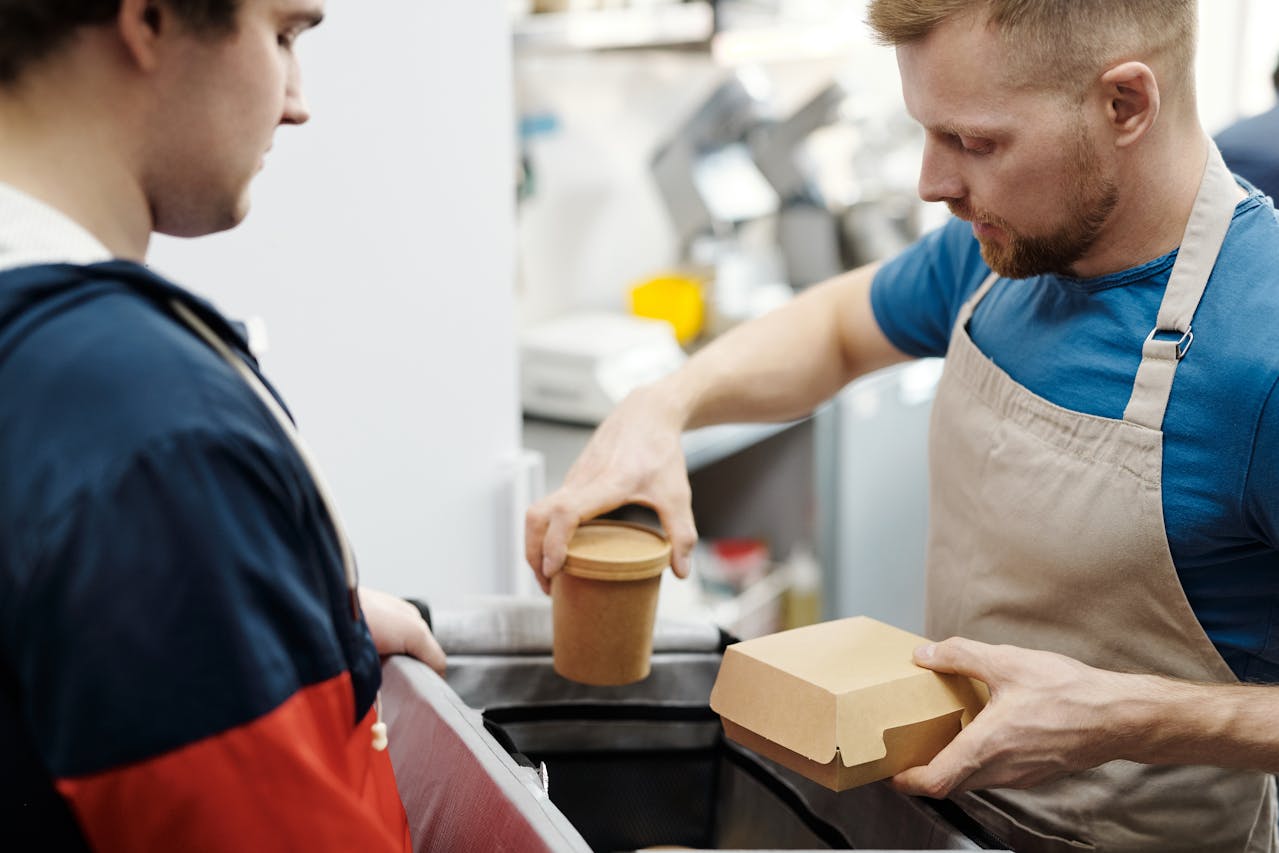
- Placing products into containers, bags, or trays according to weight and size specifications
- Operating and monitoring packaging machinery and conveyor belt systems
- Applying labels, barcodes, and date stamps to finished packages
- Conducting basic visual quality control checks
- Maintaining cleanliness and hygiene standards on the production floor
- Recording production output data
Physical Requirements
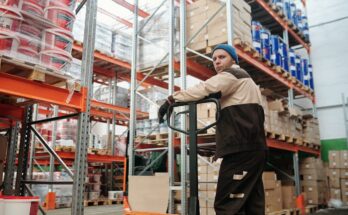
Food packing work is physical. You’ll typically be standing for 8–10 hour shifts, working in cool or cold environments (especially in meat and seafood processing), and performing repetitive hand and arm movements. Employers provide all required protective equipment — hairnets, gloves, aprons, steel-toed boots.
It’s honest work, and there’s real dignity in it. But going in with clear eyes about the physical demands helps you thrive rather than struggle.
Food Packing Salaries in Canada 2026: What You’ll Actually Earn
Let’s talk numbers, because this is where Canada’s food packing sector genuinely stands out compared to many other countries.
| Role | Hourly Wage (CAD) | Monthly Estimate (Full Time) |
|---|---|---|
| General Food Packer / Sorter | $17 – $20/hr | $2,720 – $3,200 |
| Packaging Machine Operator | $19 – $23/hr | $3,040 – $3,680 |
| Quality Control Inspector | $20 – $25/hr | $3,200 – $4,000 |
| Forklift Operator (warehouse) | $21 – $26/hr | $3,360 – $4,160 |
| Production Line Supervisor | $25 – $35/hr | $4,000 – $5,600 |
Note: Most provinces have minimum wages between $15.65 and $17.40/hr as of 2026, and food processing employers typically pay above minimum. Overtime (time-and-a-half after 44 hours/week in most provinces), shift premiums for evenings and weekends, and annual bonuses are common in larger facilities.
Many positions also include employer-subsidized health benefits after a probationary period of 3–6 months.
Meet Samuel: From Lagos to Lethbridge
Samuel, a 29-year-old from Lagos, Nigeria, had worked as a supermarket stock clerk for four years before applying for a food processing position in Alberta through Canada’s Temporary Foreign Worker Program (TFWP) in late 2023. He had no formal food industry qualifications — just a clean record, a willingness to work hard, and basic English.
His employer, a poultry processing facility near Lethbridge, sponsored his work permit application and provided a shared housing arrangement for the first two months. Within a year, Samuel had moved into his own apartment, was earning $21/hr as a packaging line operator, and had begun the paperwork for permanent residency through the Agricultural Stream of the Rural and Northern Immigration Pilot.
“Canada gave me a real start,” he says. “Not a handout — a chance to work and build something.” That’s exactly what these jobs represent for thousands of people every year.
Top Companies Hiring Food Packers in Canada 2026
National and Major Employers
- Maple Leaf Foods — One of Canada’s largest food processors; plants in Ontario, Manitoba, and Saskatchewan
- Cargill Canada — Major beef and pork processing facilities in Alberta
- JBS Canada — Large-scale beef processing in Brooks, Alberta
- Saputo Inc. — Canada’s largest dairy processor; facilities across seven provinces
- McCain Foods — Frozen food processing; major plants in New Brunswick and Alberta
- High Liner Foods — Seafood processing in Nova Scotia and New Brunswick
- Sun-Rype / Sun-Maid Canada — Fruit processing in British Columbia
Regional and Seasonal Employers
- BC Tree Fruits (Kelowna, BC) — Seasonal apple and stone fruit packing
- Oceanside Seafoods (Prince Edward Island) — Lobster and shellfish processing
- Bonduelle Canada (Quebec) — Vegetable processing and canning
- Sunrise Poultry Processors (Manitoba) — Poultry packaging, year-round hiring
Visa and Immigration Pathways for Food Packing Jobs in Canada
This is the section you’ve probably been most eager to reach, so let’s be thorough.
Temporary Foreign Worker Program (TFWP)
The TFWP allows Canadian employers to hire foreign nationals when no qualified Canadian worker is available. For food processing roles, employers apply for a Labour Market Impact Assessment (LMIA) — a government approval confirming the hiring need — and then sponsor your work permit application.
Key points:
- Your employer does most of the heavy lifting on the LMIA application
- Processing times vary (typically 3–6 months)
- Initial permits are usually 1–2 years, often renewable
- Some positions qualify for the Agri-Food Pilot, which provides a direct pathway to permanent residency
Agri-Food Immigration Pilot
This is one of the most valuable programs for food industry workers. Launched to address ongoing labour shortages, the Agri-Food Pilot offers permanent residency to eligible workers in specific food processing NOC codes, including:
- Industrial butchers and meat cutters (NOC 94141)
- Food and beverage processing labourers (NOC 95106)
- Harvesting labourers (NOC 85101)
Requirements include: a valid job offer, minimum one year of Canadian work experience in an eligible role, basic English/French proficiency (CLB 4), and proof of settlement funds.
Provincial Nominee Programs (PNPs)
Many Canadian provinces run their own immigration streams specifically targeting food processing workers. Notable examples include:
- Saskatchewan Immigrant Nominee Program (SINP) — Agricultural worker streams
- Manitoba Provincial Nominee Program — Skilled worker and food processing pathways
- Nova Scotia Nominee Program — Occupations in demand including seafood processing
How to Apply for Food Packing Jobs in Canada: Step-by-Step
- Search verified job postings — Use Job Bank Canada (jobbank.gc.ca), Indeed Canada, or WorkBC for BC-specific roles. These are the most reliable sources and include LMIA-approved positions.
- Identify LMIA-approved postings — Look specifically for job ads that mention “LMIA approved” or “work permit sponsorship available.” These are the ones that can legally hire foreign workers.
- Prepare your application documents:
- Updated CV (Canadian format — no photo, no date of birth)
- Brief cover letter emphasizing reliability, physical fitness, and food safety awareness
- Any food safety or hygiene certificates you hold (even basic ones help)
- Reference letters from previous employers
- Contact Canadian staffing agencies — Firms like Adecco Canada, Randstad Canada, and AppleOne Staffing regularly place workers in food processing facilities and can guide you through the work permit process.
- Apply for your work permit once you have a job offer — Submit through Immigration, Refugees and Citizenship Canada (IRCC) online portal. Your employer’s LMIA number will be required.
- Prepare for arrival — Research the province you’ll be working in, understand your rights as a foreign worker in Canada, and connect with settlement services in your destination city.
Frequently Asked Questions (FAQs)
Q: Do food packing jobs in Canada really require no experience? A: Yes, genuinely. The vast majority of entry-level food packer, sorter, and production line roles require no prior industry experience. Employers provide on-the-job training and all required food safety instruction. Reliability, punctuality, and a willingness to learn matter far more than a CV full of credentials.
Q: How long does it take to get a Canadian work permit for food processing jobs? A: It varies. Once an employer has LMIA approval (which can take 1–4 months), work permit processing typically takes an additional 2–8 weeks through the standard stream, or faster through premium processing. Starting the job search early is the single biggest factor in timeline management.
Q: Can food packing jobs in Canada lead to permanent residency? A: Absolutely. The Agri-Food Immigration Pilot is specifically designed to create a PR pathway for food processing workers. After one year of qualifying Canadian work experience, eligible workers can apply directly for permanent residence without needing a pre-existing PR application in the system.
Q: What provinces have the most food packing job opportunities? A: Alberta (meat processing), Ontario (general food manufacturing), British Columbia (fruit and seafood), Manitoba (poultry and grain), and Nova Scotia (seafood) consistently have the highest concentrations of food processing employment.
Q: Is it safe to work in Canadian food processing facilities? A: Yes. Canadian workplaces are regulated under provincial occupational health and safety legislation, which mandates comprehensive safety training, protective equipment, and regular inspections. Workers have the legal right to refuse unsafe work without fear of reprisal.
Conclusion: Canada Is Closer Than You Think — And These Jobs Are the Door
If you’ve made it to the end of this guide, you’re already doing something most people won’t: taking the time to actually understand the opportunity in front of you rather than dismissing it or waiting for a “better” moment.
We know the idea of picking up your life and moving to Canada can feel enormous. The paperwork, the distance, the unknowns. Those feelings are completely valid. Nobody who’s ever built something meaningful abroad did it without a knot in their stomach at some point.
But here’s what we also know: food packing jobs in Canada in 2026 represent one of the most genuine, accessible, and legally supported pathways into Canadian life available right now. They don’t ask for a degree. They don’t ask for years of experience. They ask for you — showing up, working hard, and letting Canada’s systems do what they were designed to do: give people a fair shot at a better life.
The Job Bank is free to use. The applications are open. The positions are real.
Start today. Not next month. Today.
Good luck — and welcome to Canada, when the time comes.